There is a particular kind of rain that falls in Kerala. It does not arrive apologetically, the way a light drizzle does in most places. It announces itself — a darkening of the sky, a sudden drop in temperature, the smell of wet earth rising from the ground before a single drop has fallen — and then it comes down all at once, heavy and warm and completely without hesitation. The coconut palms bend into it. The backwaters darken and ripple. The paddy fields turn a green so saturated it looks painted.
This is Kerala in monsoon. And it is one of the most beautiful things you will see in India.
Most travelers look at a June or July calendar, see the rain forecast for Kerala, and quietly reroute to somewhere else. They are making a mistake. The Kerala that exists during the monsoon months is a different place from the Kerala that exists in peak winter season — quieter, cheaper, more lush, more honest, and in many ways more deeply itself. The tourists have left. The landscape has come alive. The Ayurveda centers are at their best. And the places that feel crowded and performative in December feel intimate and genuine in August.
This guide is for the travelers who are willing to pack a rain jacket and discover what everyone else is missing.
1. Understanding Kerala's Monsoon — Two Waves, Not One
Most people think of monsoon as a single season, but Kerala actually receives two distinct monsoons and understanding the difference helps you plan significantly better.
The Southwest Monsoon arrives first, typically hitting the Kerala coast around the first of June — sometimes a day or two early, sometimes a few days late, but reliably within that window. This is the monsoon you have heard about — the one that the Indian Meteorological Department announces formally every year, the one that dominates the news cycle. It brings the heaviest rainfall, the most dramatic weather, and the full transformation of the landscape. It intensifies through June and July, peaks in August, and begins withdrawing in September.
The Northeast Monsoon follows in October and November, bringing a second round of rain that is generally lighter but still significant, particularly to the northern and central districts. This is when the rest of India is enjoying dry post-monsoon weather, and Kerala is still lush and green long after everywhere else has dried out.
For travel purposes, June through September covers the main monsoon experience. Each month within that window feels noticeably different. June is dramatic and intense — the monsoon has just arrived and the landscape is responding with everything it has. July is the wettest month in most parts of Kerala and the waterfalls are at their most spectacular. August settles into a rhythm — regular rain, clear intervals, the whole landscape at its greenest. September begins the gradual transition — rain becomes lighter, skies clear more often, and the crowds have not yet returned.
💡 Pro Tip: If you want the monsoon experience without the heaviest rain, September is your ideal month. The landscape is fully green, waterfalls are still running strong, Ayurveda centers are still offering monsoon packages, prices are still low, and the weather is beginning to ease. It is the most comfortable entry point into monsoon Kerala.
2. What Monsoon Actually Looks Like Day to Day
One of the most important things to understand before traveling to Kerala in monsoon is that it does not rain continuously all day every day. The pattern of monsoon rainfall is more nuanced than the forecast apps suggest, and once you understand it you will stop being anxious about every dark cloud.
Typically, mornings in Kerala during monsoon are often clear or only lightly overcast. The rain comes in waves — sometimes a heavy downpour for two or three hours followed by a complete clearing, sometimes persistent drizzle for a full day, sometimes an intense evening storm that passes overnight and leaves a brilliantly clear morning behind. The rhythm varies by week and by location, but the essential point is that there is almost always a window of time each day when you can move, explore, and experience the landscape without getting soaked.
The Western Ghats — Munnar, Wayanad, Vagamon, Coorg on the Karnataka border — receive far heavier rainfall than the coast. The hill stations can see rain for days at a stretch during peak monsoon weeks. The coastal belt and the backwaters generally have a more interrupted pattern with clearer intervals. If you want the dramatic, soaking-wet monsoon experience, go to the hills. If you want monsoon with more predictable windows of clear weather, stay closer to the coast and the backwaters.
💡 Pro Tip: Plan your itinerary with flexibility rather than fixed daily schedules. In monsoon Kerala, the day that your plan says "waterfall hike" might be the day it rains hardest — and the day you planned as a rest day might turn out to be clear and spectacular. Build in buffer and let the weather guide you rather than fighting it.
3. Munnar in Monsoon — The Tea Hills at Their Most Alive
Munnar is a completely different place in monsoon than it is in the winter tourist season. The tea estates, which look beautifully manicured in December, transform during the rains into something wilder and more elemental. The hills disappear into cloud, reappear, disappear again. Waterfalls that do not exist in the dry season appear on every slope. The air is cold and clean and smells of rain and tea leaves and the particular mineral freshness that only high-altitude rain produces.
The roads to Munnar are winding and narrow and require attention in monsoon conditions. Landslides are a genuine possibility during heavy rainfall weeks in June and July. Check road conditions before you drive and if the weather has been severe for several days in a row, wait for it to ease before making the climb. This is not excessive caution — it is the kind of practical awareness that experienced Kerala travelers develop.
Eravikulam National Park, home to the endangered Nilgiri Tahr, closes during monsoon months for the annual migration period. This is worth knowing before you plan your route. But everything else about Munnar in monsoon — the Attukad Waterfalls thundering at full volume, the mist rolling through the tea bushes at dawn, the evening light breaking through clouds onto the valley below — more than compensates.
💡 Pro Tip: Stay in Munnar for at least two nights rather than making it a day trip. The most magical moments — early morning mist over the estates, a clearing after a heavy afternoon rain, the smell of the hills at dusk — only reveal themselves when you are not rushing to get somewhere else.
4. The Backwaters in Monsoon — Green, Swollen, and Spectacular
The Kerala backwaters — the network of lakes, lagoons, rivers, and canals that run parallel to the coast — are one of the defining experiences of any Kerala trip. And in monsoon, they are at their absolute fullest and most beautiful.
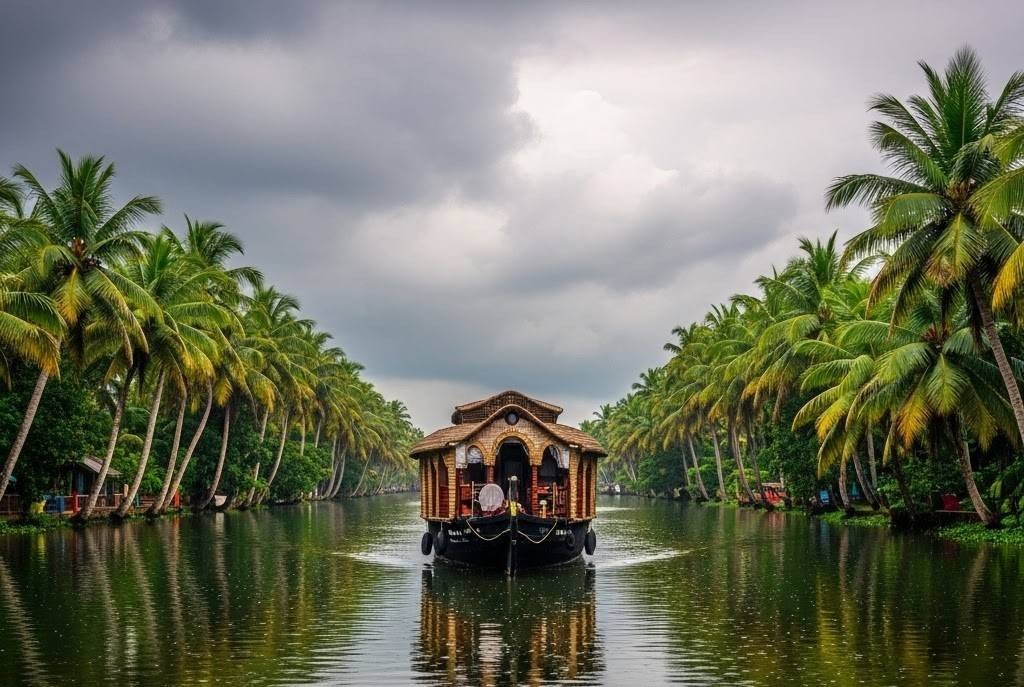
The water levels rise significantly during the rains, pushing the backwaters into the surrounding paddy fields and creating temporary lakes where dry land stood in March. The coconut palms that line every bank lean further over the water. The green deepens to a colour that feels almost tropical in its intensity. Travelling through the backwaters by houseboat or by the small public ferries during monsoon means passing through a landscape that is genuinely more beautiful than any other time of year.
Alleppey — Alappuzha — is the traditional base for backwater houseboats and the boats do run during monsoon, though not always on every day of heavy rain. One-night houseboat stays are the most popular option and the prices during monsoon drop by 30 to 40 percent compared to peak season. The experience of sleeping on the water during a monsoon night — the sound of rain on the roof of the houseboat, the dark warm air, the occasional sound of a passing boat — is something genuinely different from anything you can experience in peak season.
The smaller, less touristy backwater towns — Kumarakom, Kuttanad, Champakulam — are worth exploring by local ferry rather than tourist houseboat. The ferry rides are inexpensive, unhurried, and pass through the kind of working backwater villages that the houseboat routes sometimes bypass.
💡 Pro Tip: Book a houseboat for Sunday night rather than Saturday in Alleppey. The weekend surge of domestic tourists means Saturday boats are booked out and overpriced even in monsoon. Sunday availability is better and you will often have stretches of the backwaters almost entirely to yourself.
5. Ayurveda Season — The Reason Kerala's Own Doctors Recommend Monsoon
If there is one thing about monsoon Kerala that genuine insiders and Ayurveda practitioners agree on unanimously, it is this — monsoon is the best time for Ayurvedic treatment. This is not a marketing claim invented to boost off-season tourism. It is rooted in the traditional understanding of how the body responds to the climate.
During monsoon, the atmosphere is cool and humid, the pores of the skin are open, the body is relaxed, and the absorption of medicated oils and herbal treatments is significantly better than in hot dry conditions. Ayurvedic practitioners across Kerala refer to the monsoon months as Karkidakam — considered the ideal window for treatments ranging from Abhyanga full-body oil massage to the more intensive Panchakarma detox programs that require extended stays.
The Ayurveda centers and resorts that offer genuine treatment — as opposed to the spa-style wellness experiences marketed to tourists — are almost always quieter during monsoon, with more practitioner attention per guest and lower prices. A treatment that costs ₹4,000 in December might cost ₹2,500 in July at the same center. For anyone who has been planning an Ayurveda retreat, monsoon is simply the most rational time to do it.
💡 Pro Tip: There is a significant difference between genuine Ayurvedic treatment centers staffed by qualified practitioners and resort spa packages that use the Ayurveda name for marketing. For real treatment, look for centers attached to Ayurvedic medical colleges or those run by families with multi-generational practice. Kottakkal, Thrissur, and Thiruvananthapuram have some of the most respected traditional centers in the state.
6. Wayanad in Monsoon — The Wildest Version of Kerala's Hill Country
Wayanad, Kerala's northeastern hill district bordering Karnataka and Tamil Nadu, is extraordinary in any season but becomes something close to magical during the monsoon. The forest here — part of the Nilgiri Biosphere Reserve, one of the most biodiverse regions in Asia — comes completely alive with the rain. The rivers run fast and clear. The waterfalls multiply. The wildlife becomes more active, particularly in the early mornings and late afternoons when the rain pauses.
Chembra Peak, the highest point in Wayanad, is often shrouded in cloud during monsoon but the trek to the heart-shaped lake below the summit is still a remarkable experience in the rain — misty, atmospheric, and far less crowded than in peak season. Meenmutty Waterfalls, one of the tallest in Kerala, reaches its full dramatic height during July and August and the hour-long trek to reach it passes through forest that is at its most alive and visually extraordinary.
The Wayanad Wildlife Sanctuary is open during monsoon and elephant sightings are actually more frequent during this period as animals move to lower elevations along with the vegetation growth triggered by rain. Muthanga and Tholpetty are the two main entry points and early morning safaris — 6 to 8 AM — give the best chances of wildlife encounters.
💡 Pro Tip: Stay in a homestay in Wayanad rather than a resort. The district has some of the best homestays in Kerala — many of them on working spice and coffee farms — and the experience of waking up in a farmhouse surrounded by mist and the smell of cardamom in the rain is genuinely unlike anything a resort can offer at twice the price.
7. Varkala and the Kerala Coast in Monsoon — For Those Who Love the Sea in Storm
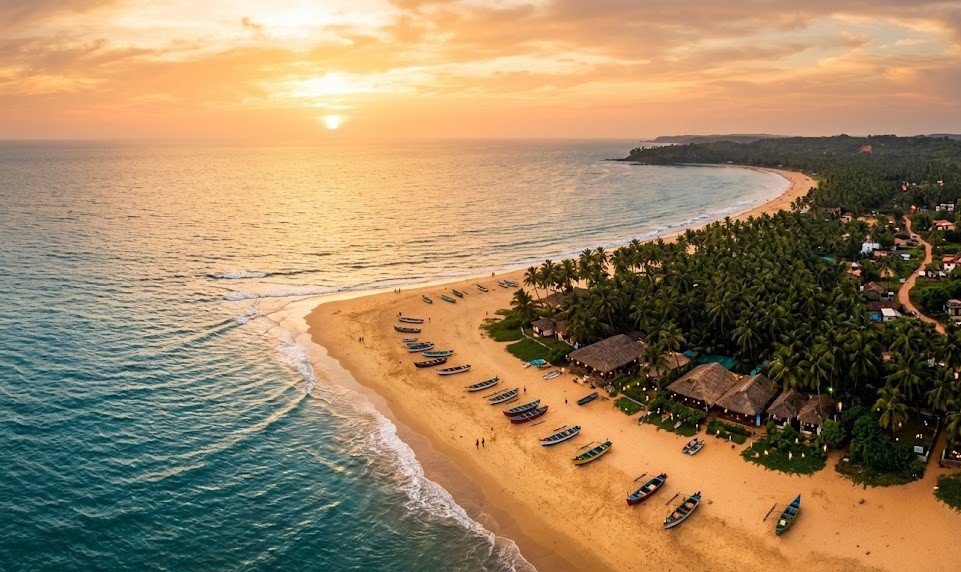
Varkala, the clifftop beach town in southern Kerala, transforms entirely in monsoon. The restaurants and shacks that line the North Cliff pack up and close. The beach below — accessible by a precarious staircase cut into the red laterite cliff — is mostly empty. The sea is dramatic, rough, and completely off-limits for swimming.
And yet Varkala in monsoon has an appeal that its own regular visitors speak about in almost reverent terms. The cliffs are draped in green. The old Sivagiri Mutt temple continues its daily rituals undisturbed by tourist season. The handful of guesthouses that stay open offer rooms at a fraction of peak prices. Walking the clifftop path in light rain with the Arabian Sea thundering below, grey and enormous and alive, is one of those experiences that lodges somewhere deep in your memory and does not leave.
Kovalam, Kerala's most famous beach, follows a similar pattern — most of the tourist infrastructure closes or scales down, the beaches are rough and unsafe for swimming, but the town itself relaxes into a version of itself that actually feels like Kerala rather than a beach resort designed for visitors.
💡 Pro Tip: The Papanasam beach at Varkala, considered sacred and used for Hindu rituals, remains active throughout monsoon. If you are there in the early morning you will often see families performing ceremonies at the water's edge with the monsoon sea behind them — one of the most genuinely moving sights Kerala offers in any season.
8. Thrissur and the Cultural Heart of Kerala in Monsoon
Thrissur district — often called the cultural capital of Kerala — has a particular significance during monsoon that most travelers who stick to the tourist trail never discover. The month of Karkidakam, which falls during July-August in the Malayalam calendar, is considered deeply sacred. The Ramayana Maasam — the month of the Ramayana — is observed across Kerala with daily readings of the Ramayana in homes and temples. In Thrissur and the surrounding villages, the monsoon months have a spiritual quality that you can feel in the rhythm of daily life.
The Vadakkumnathan Temple in the heart of Thrissur, one of the oldest Shiva temples in Kerala, maintains its ritual calendar through the monsoon with a quiet dignity that the famous Thrissur Pooram festival — held in April — does not have. Morning puja here in the rain, with the smell of incense drifting through the ancient stone corridors and the sound of drums from somewhere inside the temple, is an experience of Kerala's spiritual depth that peak season visitors rarely encounter.
💡 Pro Tip: If your Kerala trip falls during August, try to be in Thrissur or any Kerala town for Onam — the most important festival in the Kerala calendar. The Onam Sadhya — a traditional feast of 26 dishes served on a banana leaf — is something every visitor to Kerala should experience at least once, and the best versions of it are the ones served in homes and local restaurants rather than hotel buffets.
9. Practical Things Nobody Warns You About
Traveling in monsoon Kerala requires a slightly different mindset and preparation than traveling in peak season, and there are a few practical realities that catch first-time monsoon visitors off guard.
Leeches are present on forest and hill trails during monsoon — particularly in Wayanad and the area around Munnar. They are not dangerous, just unpleasant, and the right preparation eliminates most of the problem. Wear full shoes rather than sandals on any trail, apply salt or tobacco around the ankles and shoe edges, and carry a small packet of salt in your pocket. Check yourself after any forest walk. Experienced trekkers treat leeches as a minor inconvenience rather than a reason to avoid the hills entirely, and you should too.
Road conditions require attention, particularly in the hill districts. Muddy roads, reduced visibility in mist, and occasional rockfalls are all part of driving in the Western Ghats during heavy rain. Drive slowly, never overtake on blind curves, and always check local news for any road closures before setting out on hill routes. The major roads — NH66 along the coast, the main Munnar and Wayanad highways — are generally well-maintained and fine to drive in normal monsoon conditions. It is the smaller interior roads that require more caution.
Monsoon also brings humidity that affects electronics, clothes, and leather goods more than most people expect. Keep cameras and phones in sealed bags when not in use. Clothes take much longer to dry and cotton stays damp for hours after rain. Pack quick-dry fabrics rather than cotton where possible, and carry a lightweight rain poncho rather than an umbrella — ponchos leave your hands free and cover your bag as well.
💡 Pro Tip: A lightweight, packable rain poncho that covers both you and your daypack is the single most useful thing you can bring to Kerala in monsoon. Umbrellas are fine in the city but impractical on trails, on bikes, and anywhere the wind is strong enough to turn them inside out. The poncho costs ₹200 at any outdoor shop and will get used every single day.
10. What a Kerala Monsoon Trip Actually Costs
Monsoon is definitively the cheapest time to visit Kerala and the savings are significant enough to make the difference between a budget trip and a comfortable one.
Hotel and resort rates drop by anywhere from 30 to 50 percent compared to December and January. A resort in Munnar that charges ₹6,000 per night in peak season often comes down to ₹3,000 to ₹3,500 in July. Houseboat operators in Alleppey who hold firm at ₹12,000 to ₹15,000 for an overnight stay in winter are willing to negotiate to ₹7,000 to ₹9,000 during monsoon. Ayurveda centers run specific monsoon packages that are among the best value in the state.
Food costs remain roughly the same as peak season at local restaurants — Kerala's magnificent fish curries, appam with stew, puttu and kadala curry, and the filter coffee that appears at every meal are available year-round at the same prices. Transport costs are also similar, though hiring a private driver for hill routes is worth the extra cost in monsoon for the peace of mind of having someone who knows the roads well.
A well-planned week in Kerala during monsoon — covering Munnar, the backwaters, and Wayanad with a mix of guesthouse and one-night houseboat accommodation — can be done comfortably for ₹18,000 to ₹28,000 per person including internal transport, accommodation, food, and activities. During peak season, the same trip would cost significantly more.
💡 Pro Tip: Always negotiate directly with guesthouses and homestays during monsoon rather than booking through third-party platforms. Owners during low season are highly motivated to fill rooms and will often offer prices 15 to 20 percent below what the apps show, along with extras like meals and transport that the apps do not include.
11. The Food of Kerala — Which Monsoon Brings Its Own Flavours
Kerala's cuisine is extraordinary in every season but the monsoon months bring specific foods that are tied to the season in ways that feel genuinely ancient. Karkidakam, the monsoon month in the Malayalam calendar, is traditionally associated with a medicinal rice porridge called Karkidaka Kanji — made with rice, medicinal herbs, and coconut milk — eaten to strengthen the body during the wet season. It is available in Ayurveda centers and some traditional restaurants throughout the monsoon months and is worth trying not as a tourist curiosity but as a genuine act of eating with the season.
The seafood in Kerala during monsoon requires some navigation. Certain fish are off-limits during the fishing ban that Kerala imposes between June and July to protect breeding fish stocks — this is worth knowing because the best coastal restaurants respect the ban and their menus reflect it. But freshwater fish, prawns, and crabs are available throughout, and the river fish that appear in monsoon — particularly the karimeen, or pearl spot, cooked in a clay pot with raw mango and coconut — is one of the finest things Kerala's cuisine produces.
The banana chips, murukku, and traditional snacks that appear in shops across Kerala during Onam month — August-September — are worth buying directly from the families and small shops that make them rather than the packaged versions in supermarkets. The taste difference is significant and the price is lower.
💡 Pro Tip: Ask your guesthouse host to arrange one home-cooked Kerala meal during your stay. Most hosts in homestays and small guesthouses will do this for a very reasonable price and the experience of eating a proper Kerala sadya — served on a banana leaf in someone's home during the rains — is one of those travel memories that stays with you for years after the trip itself has faded.
Before You Pack Your Rain Jacket
Kerala in monsoon asks something of the traveler that peak season does not. It asks for patience — with weather that will not follow your itinerary, with roads that might slow you down, with a pace that is gentler and less predictable than a well-organized winter trip. In return for that patience, it offers something that peak season simply cannot — a version of Kerala that is more alive, more honest, more deeply itself.
The crowds that descend on Munnar in December and fill the Alleppey houseboats in January have not arrived yet. The prices are lower. The service is more personal. The landscape is at its most extraordinary. And everywhere you go, the rain is doing what it has done here for thousands of years — feeding the rivers, filling the backwaters, turning the hills green, and reminding this land of what it is.
Kerala has been receiving its monsoon since before anyone was keeping records. The land knows what to do with it. The only question is whether you are willing to arrive and discover what happens when you stop waiting for it to stop raining and simply step outside.
Pazhayathu pole. 🌧️🌿
You Might Also Like